

Autumn is a great time to sow garlic and hardy broad beans. It’s also an ideal time to turn compost, mulch beds, sow green manures, and give the shed a fresh coat of paint to protect it from the coming weather.
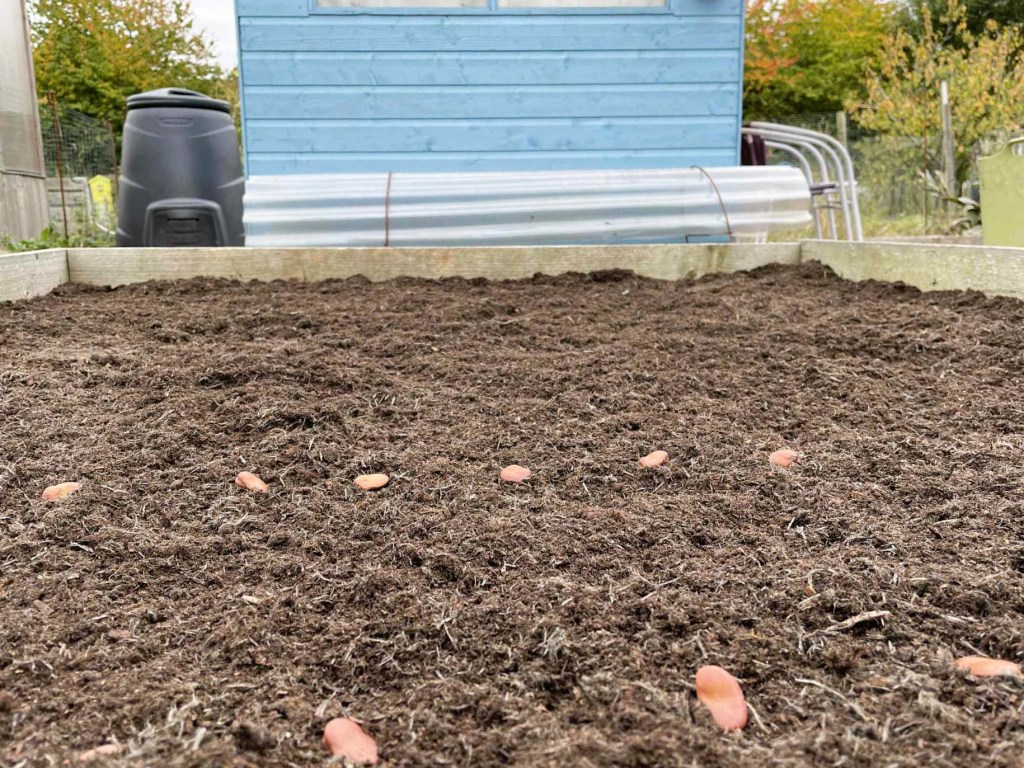
For my winter-hardy broad beans, I always choose ‘The Sutton’ – a reliable variety for autumn sowing. I sow extra seeds to account for any failures and hungry voles. Since this is a dwarf variety, you can sow the seed a bit closer together than the packet recommends, which helps them support each other as they grow. After the seedlings appear, I thin them as needed. This is such a rewarding crop to grow. With a bit of luck, they will produce beans earlier than a spring sowing and might even avoid a dreaded blackfly infestation.
I have also sown field beans as a green manure in one of my raised beds. Field beans are closely related to broad beans, but much smaller in size! They’re effective at fixing nitrogen in the soil. I’m hoping this will give the bed a much-needed boost, since nitrogen-loving brassicas haven’t grown well in the past.
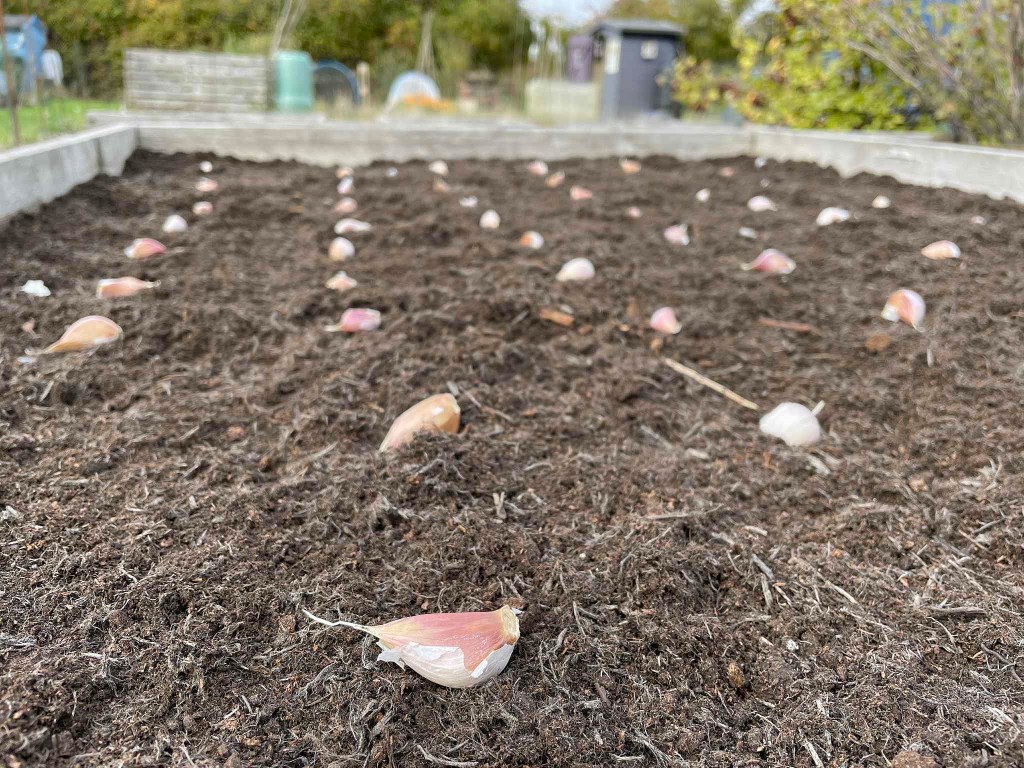
As for my garlic, I’m planting a hardneck variety called ‘Red Duke.’ Years ago, I bought the seed garlic from The Garlic Farm, and after saving more bulbs for planting than eating that first year, I haven’t had to buy any since. I now grow so much that I always have plenty to plant, eat, and give to family.
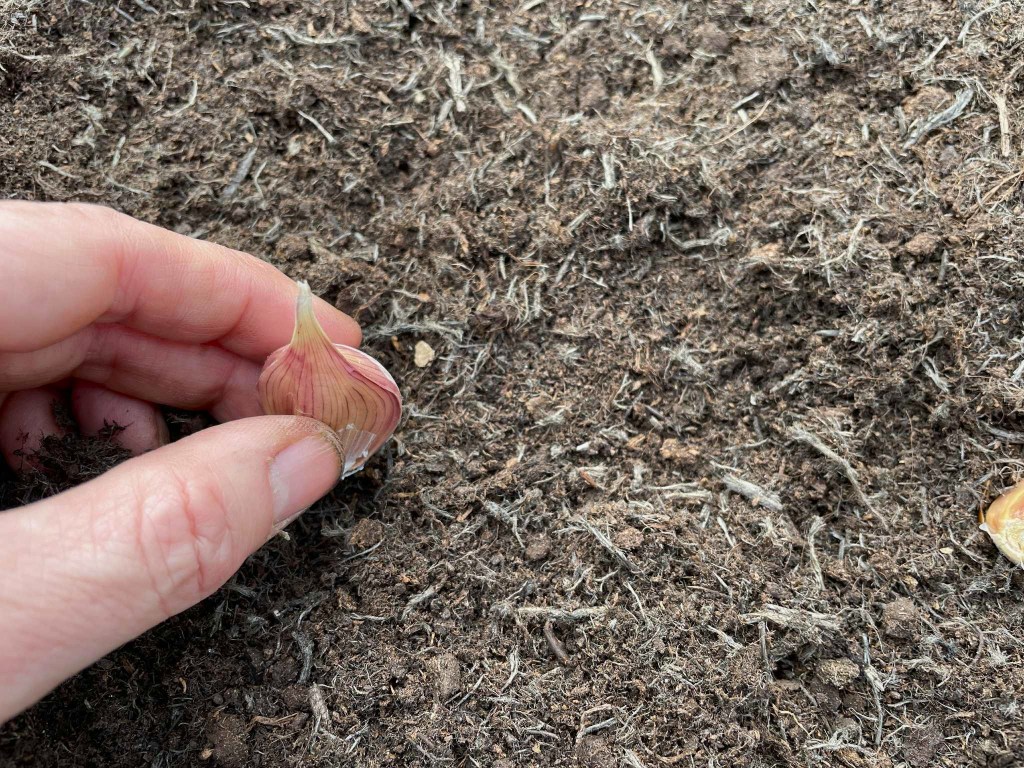
Nothing quite beats the satisfaction of watching those little green shoots emerge over the next few weeks. To plant them, I simply separate the bulbs into individual cloves and pop them into the soil, pointy-end up. I adore garlic (sorry, vampires!) and usually grow well over 100 bulbs from 2 small raised beds.
To make the most of every inch of my plot, I also planted garlic cloves in the empty spaces of my cabbage bed, since garlic and cabbage are good companion plants.

After sowing the seeds for next year’s harvest, I turned my attention to my blue shed. It hadn’t been painted in three years, and the door was looking especially tired from constant use. The shed desperately needed a fresh coat of paint.
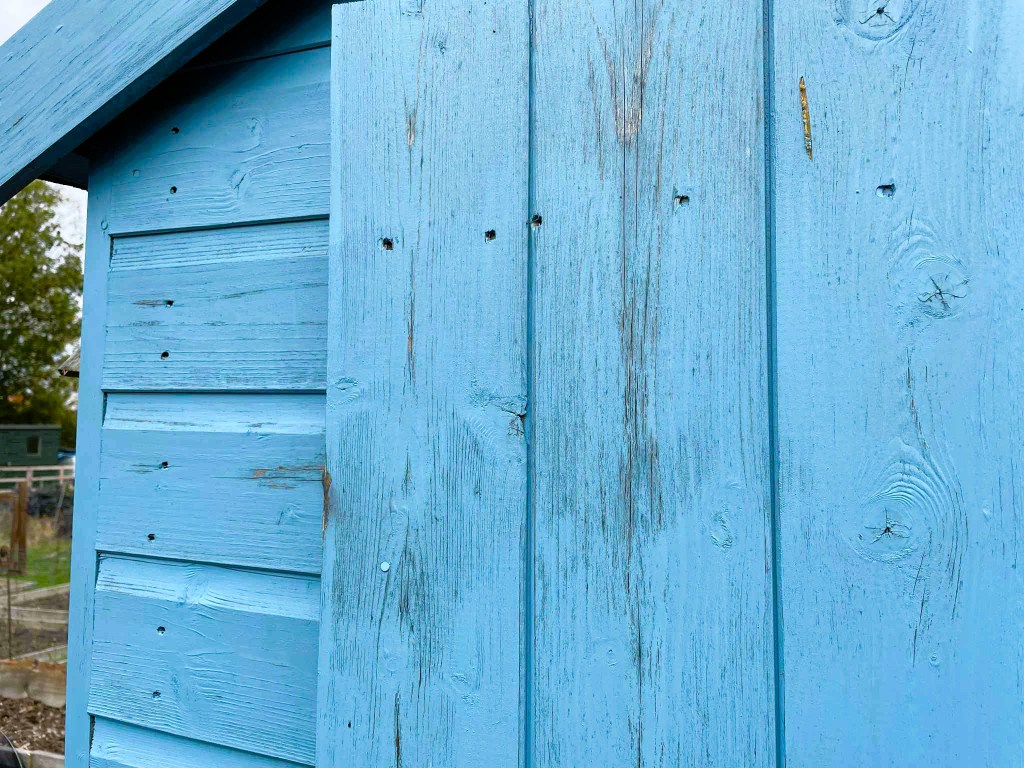
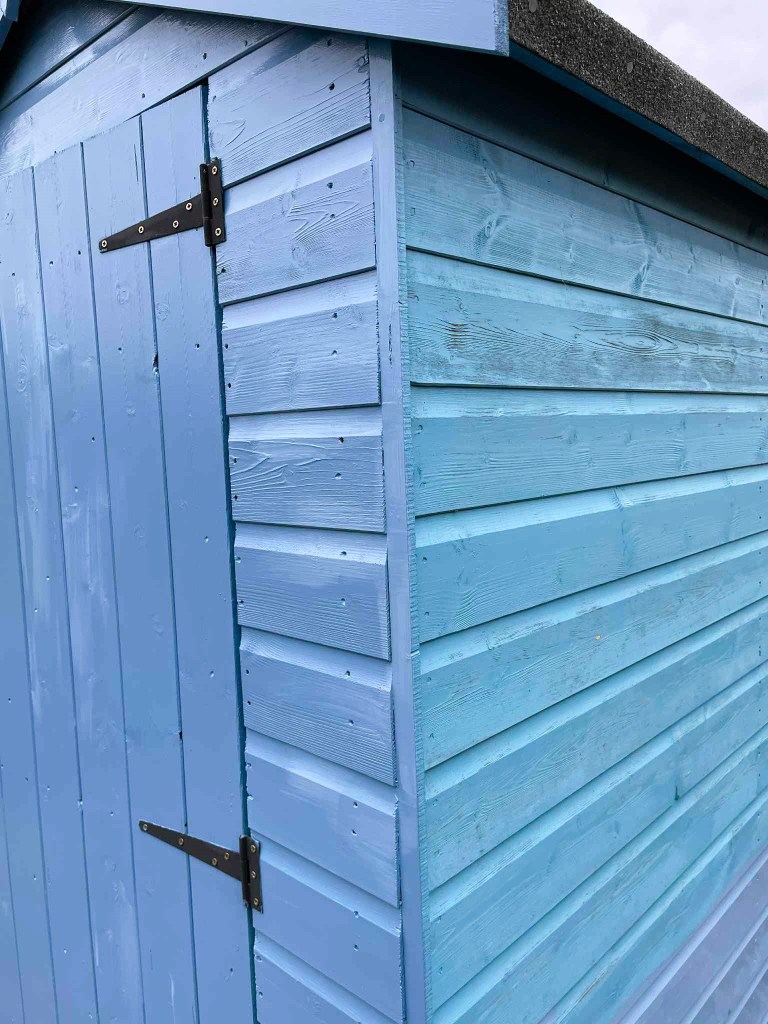
For me, this simple maintenance task is a rewarding part of the gardening cycle. With the shed now protected and looking its best, I can rest easy knowing it will stand up to the wet and cold.
I enjoy pausing with a hot cup of tea to admire my surroundings. With each sip, I reflect on the past growing season and look ahead to the next. While maintaining an allotment is hard work, the rewards and connection to nature are worth it. I feel a great sense of satisfaction tending to my small corner of the world.


 Allotment Haven
An enjoyable read and good pictures. Your last paragraph had me nodding and smiling. I don’t grow anything over the winter because if it’s a wet one the site is prone to waterlogging. I also no longer grow broad beans as they used to get badly infested with blackfly regardless of what I did to try and prevent it. xx
LikeLiked by 1 person
Thank you Flighty 🙂 Yes, wet winters can troublesome with overwintering crops. Having raised beds on my plots really helps with drainage, and allows me to grow crops successfully. The downside is the amount of watering needed during very dry summers! x
LikeLiked by 1 person
Well done. I’ve sown some broad beans and onions but my shed is is in serious need of paint so well done for managing both tasks
LikeLiked by 1 person
Painting the shed door was just supposed to be a small job, but the fresh coat of paint made the rest of the shed look so bad I had to keep going!
LikeLiked by 1 person
Garlic with brassicas? Never done it but will try that one. Thanks for sharing.
LikeLiked by 1 person