Saving seeds from your favourite allotment flowers is a wonderfully rewarding and free way to ensure your plot is bursting with colour next season, so now’s the perfect time to harvest a little bit of sunshine for next year. I’ll be saving seeds from these four allotment superstars, but what are your favourites? Let me know in the comments!.
Calendula (Pot Marigold)

These cheerful and easy-going flowers are a seed-saver’s dream.
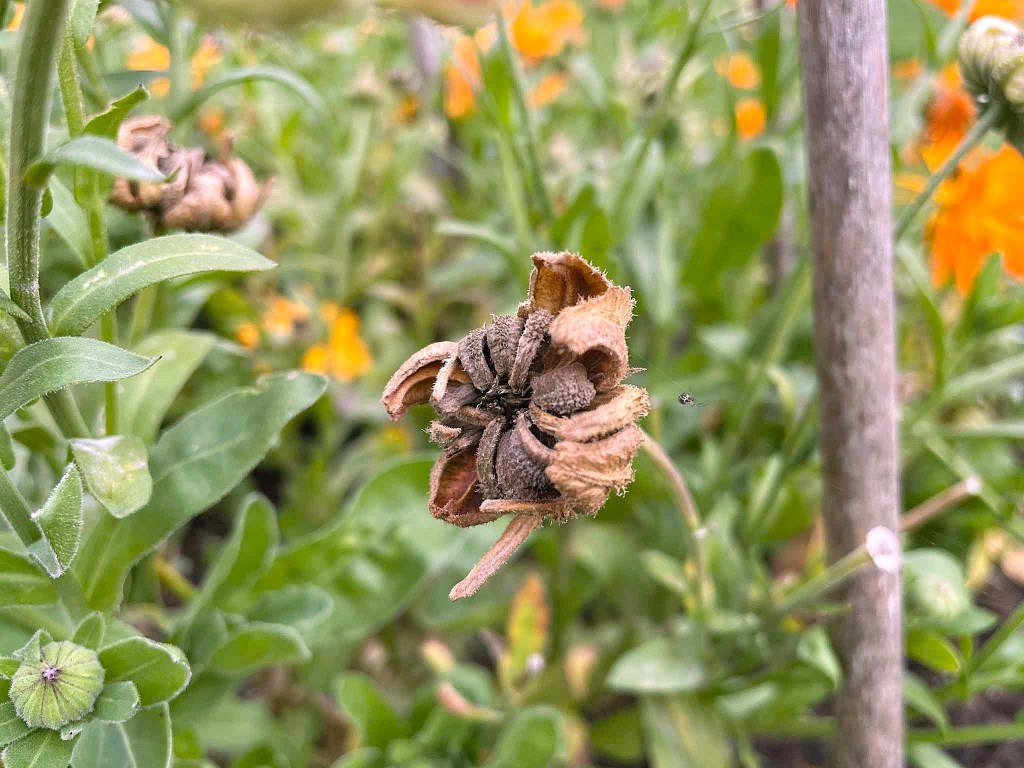
- Harvesting: Wait until the petals have faded completely, and the seed heads have turned brown and papery. They will droop and feel dry to the touch, not soft or moist.
- Collecting the seed: Gently pull the brown, dried seed heads from the stem. The crescent-shaped, claw-like seeds will be visible inside. Pull them apart over a tray to release the seeds or simply crumble into your hand.
- Top Tip: The actual seeds are much smaller than the chaff, and usually darker in colour.
Sunflower (Helianthus)

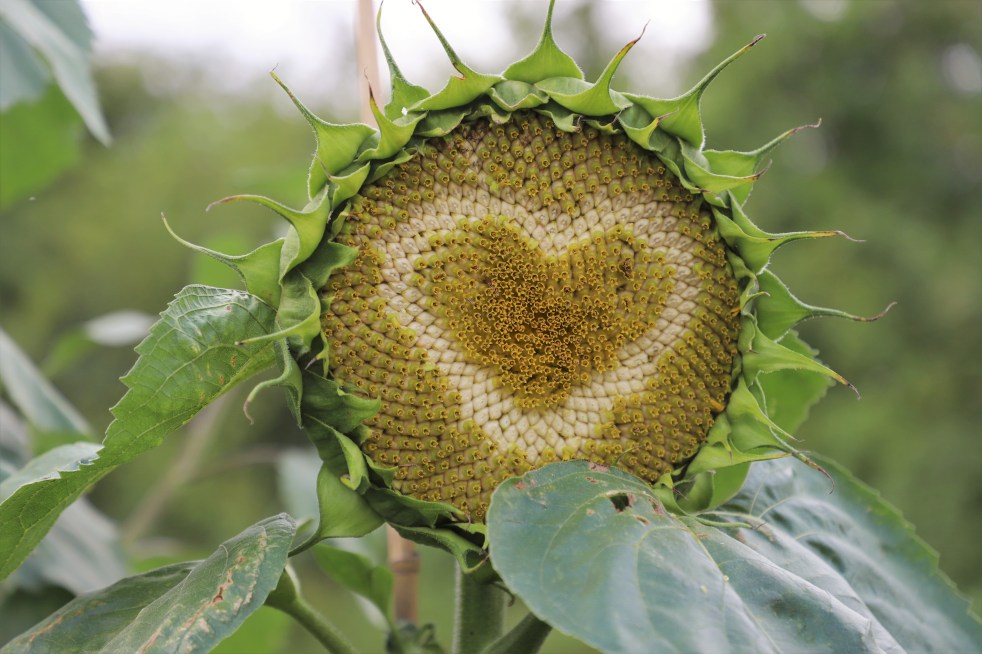
Saving seeds from these magnificent giants is an incredibly satisfying project.

- Harvesting: Once the petals have fallen and the back of the flower head turns brown, the seeds are ready. The seeds will appear plump and fully formed.
- Collecting the seed: Cut the large flower head from the stem with secateurs. Hang the head upside down in a cool, dry place for a week or two to ensure it’s completely dry. Then, simply rub the centre of the seed head with your hand to dislodge the seeds into a bowl.
- Top Tip: Share the love! It’s nice to leave a few sunflower heads up for the birds, who will happily enjoy them for a tasty snack.

Cosmos

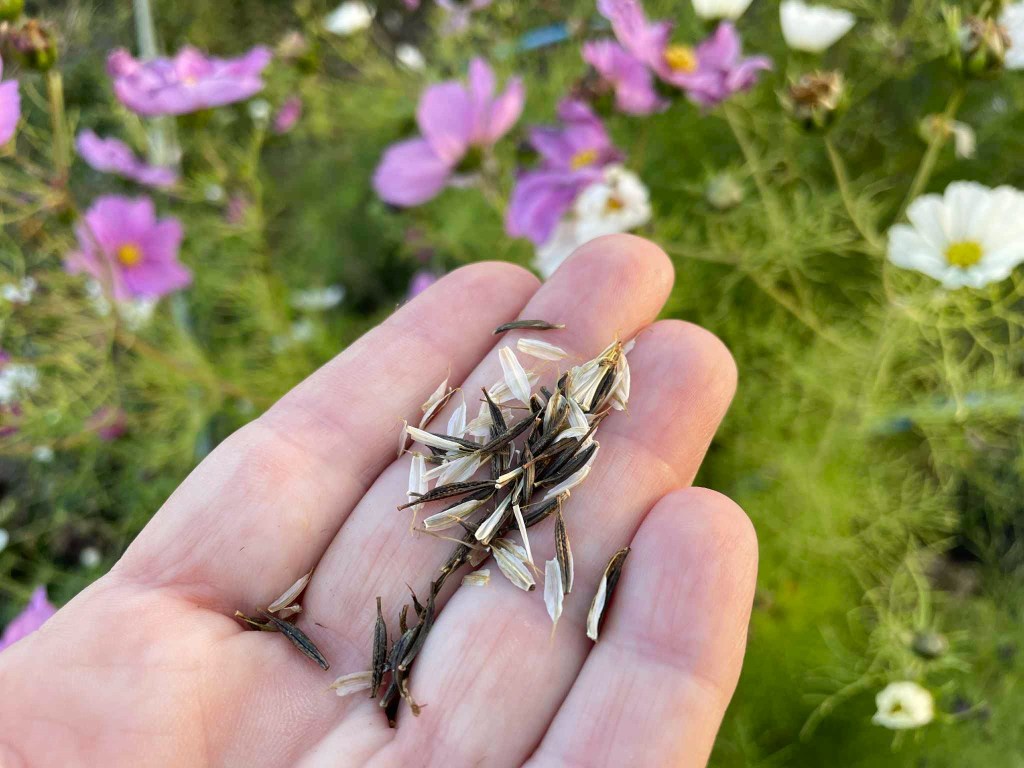
These delicate, daisy-like flowers are a must for any allotment or cottage-style garden, and the seeds are simple to save.
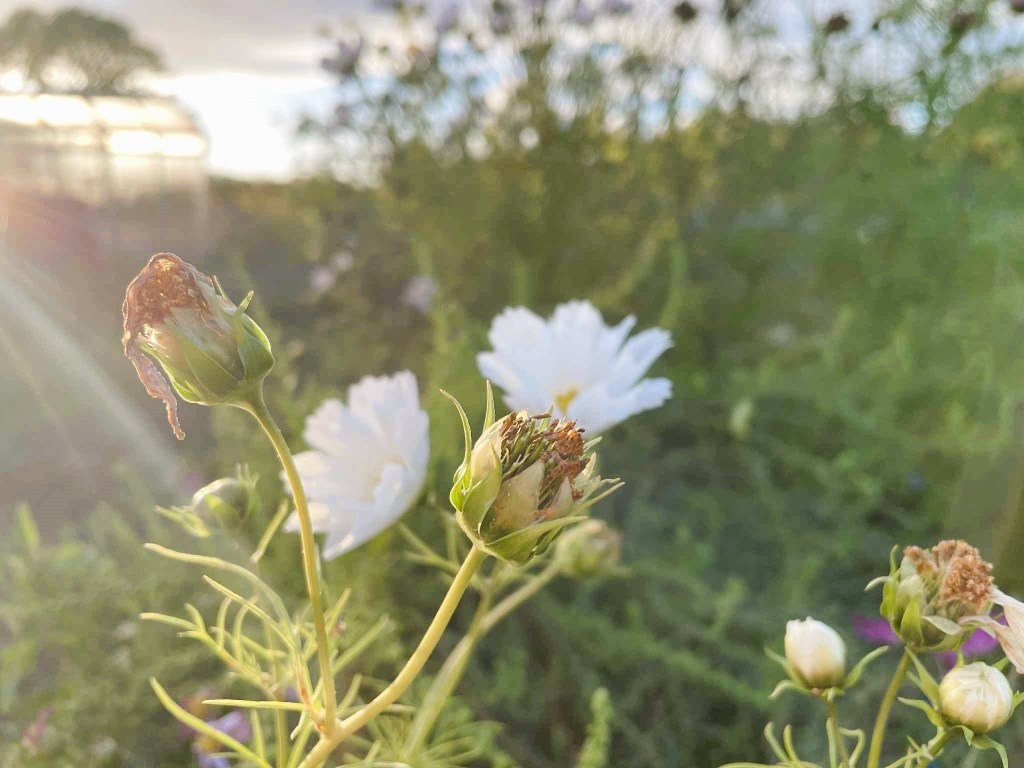
- Harvesting: Look for the tall, spent flowers where the petals have dropped. The small, spiky seed heads should be completely dry and brown.
- Collecting the seed: Snip the dried seed heads off the stems. Hold them over a tray and gently rub the papery heads between your fingers. The long, thin seeds will fall out easily.
- Top Tip: Don’t worry too much about separating every tiny bit of chaff; you can simply store the seeds and chaff together and sow it all in the spring.
Marigold (Tagetes)
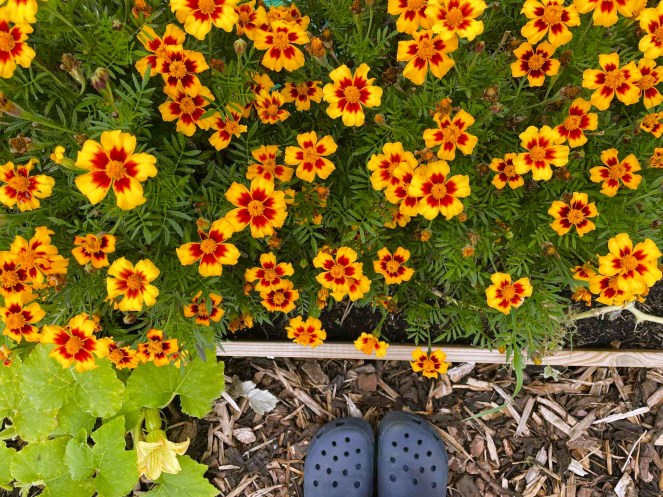
Another fantastic marigold for your allotment! These are different from calendula and have a spicy, pest-repelling scent.
- Harvesting: Wait for the flowers to completely wither and turn brown and dry.
- Collecting the seed: Pull the withered flower head off the stem. Either break the dry flower base apart or gently tug the petals away from the base; you will find a handful of spiky, spear-like seeds.
- Top Tip: This is a perfect job for a sunny afternoon! Bring a chair and a tray to your allotment and enjoy the therapeutic process of teasing out the seeds.

How to store saved seeds

Proper storage is key to making sure your hard work pays off next season.
- Ensure they are dry. This is the most crucial step! Spread your harvested seeds on a paper towel or newspaper for a few days in a cool and dry place to ensure they are completely moisture-free.
- Use paper envelopes. Paper is the best material for storing seeds because it allows them to “breathe” and wicks away any residual moisture.
- Label, label, label! Write the name of the flower and the date you collected the seeds on the outside of the envelope. Your future self will thank you for it!
- Store somewhere cool and dry. A tin or box in a cupboard is an ideal spot. Avoid warm, humid places like a greenhouse or shed, which can cause them to rot. Mice tend to like them too!
While these four flowers will self-sow on the allotment, it’s a good idea to save some seeds to guarantee you have them for specific areas. Saved seeds can be shared with other gardeners, used in a seed swap, or given as inexpensive gifts.
Happy seed saving!


An informative and useful post, and good pictures.
I save seeds from the flowers I grow including three you mention (not tagetes which I don’t grow). Another really easy one to collect and save is nasturtiium seed. xx
LikeLike
Thanks Flighty! Love your choice of flower to save seed from, they’re certainly useful on the plot and edible too! Happy seed saving 🙂 x
LikeLiked by 1 person
Good advice. It’s the label, label, label stage that I always think I can do without (but can’t)!
LikeLiked by 1 person
Yes! Love seed saving. Sweet peas are another easy one to save.
LikeLiked by 1 person
Hi Sharon, me too! Sweet pea are eager to please! I don’t grow them very often, but I do enjoy seeing them on the allotments around me.
LikeLiked by 1 person
This year was my best year for them ever, got so many!
LikeLiked by 1 person
I love seed saving too
LikeLike