Raspberries are surprisingly easy to grow considering how expensive they are to buy in the shops. By growing summer and autumn fruiting you can pick raspberries from June right through to October, even November if the weather is particularly good. Summer and autumn fruiting raspberries have slightly different pruning requirements, here I will explain how to prune both types, starting with the easiest.
How to prune autumn fruiting raspberries:
Autumn fruiting raspberries fruit on the current years growth which means they fruit on canes produced the same year. Cut all canes down to ground level in late winter (February is a good time), this helps to encourage fresh new growth (canes) from the base in spring. These new canes will eventually produce fruit in late summer/autumn.
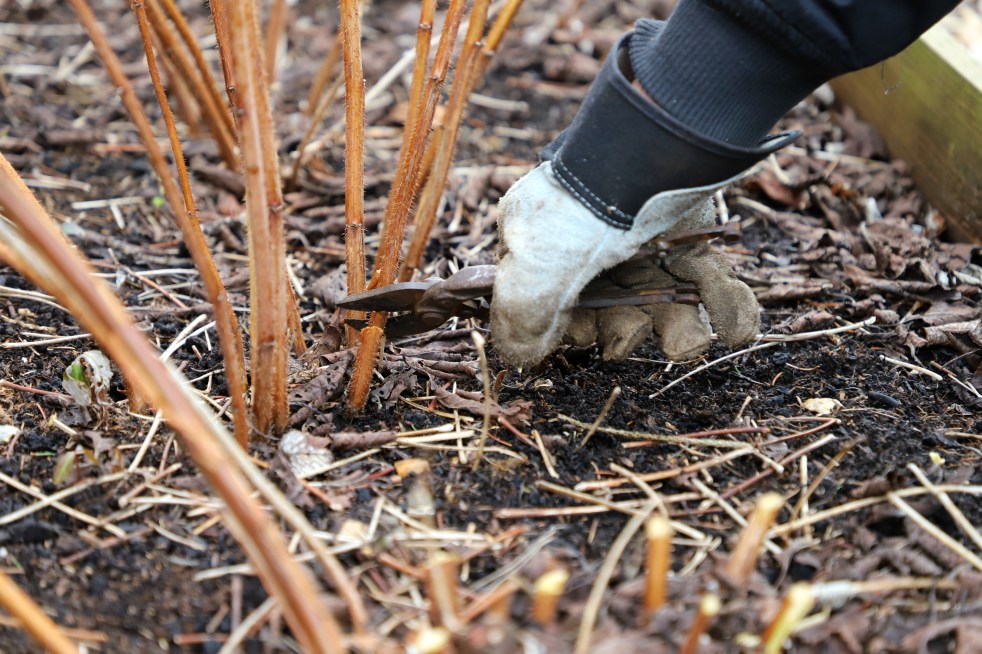
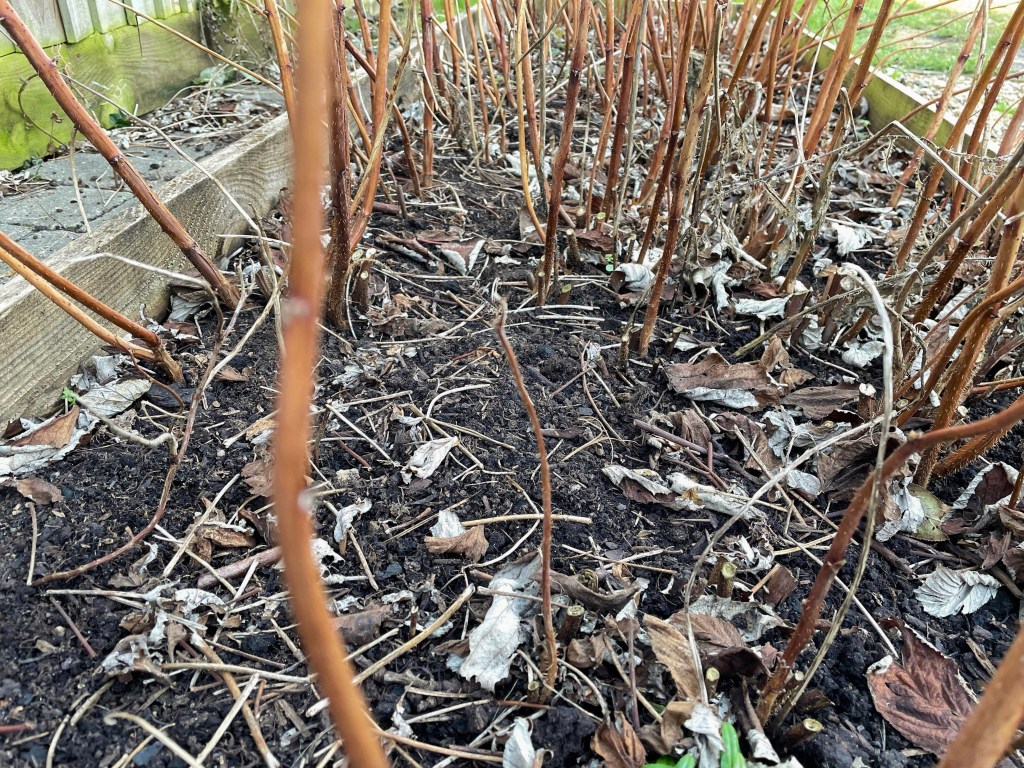
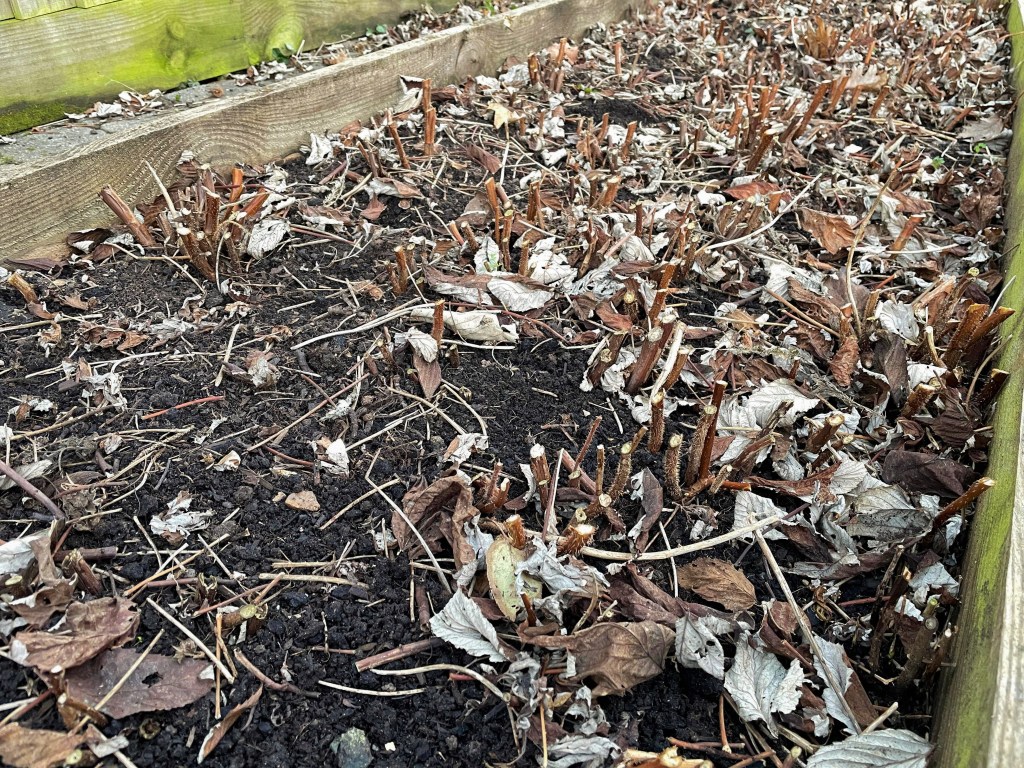
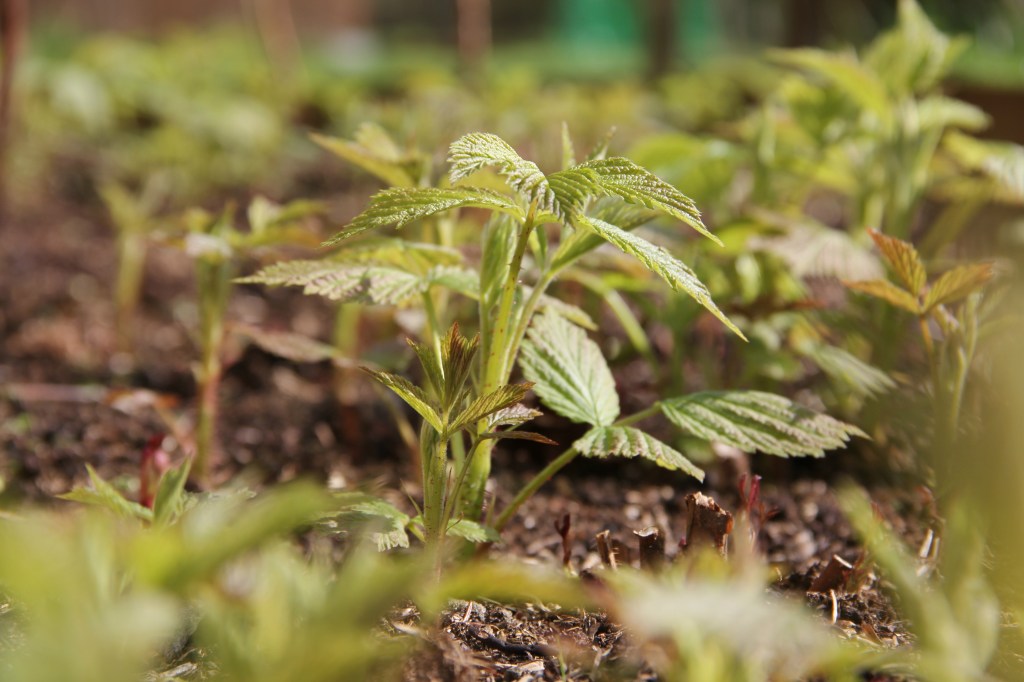
Autumn fruiting raspberries ready for pruning in late winterCut ALL autumn fruiting raspberry canes down to the ground, don’t be afraid they will come back!Autumn fruiting raspberries look like this after pruning in winter, now is a good time to remove weeds before the new growth appears in springAfter weeding apply a mulch of compost or well rotted manure Fresh spring growth of autumn fruiting raspberries usually appears late March to April depending on the weather, these new canes will produce fruit later in the year
How to prune summer fruiting raspberries:
Summer fruiting raspberries fruit on canes produced the previous year. When it comes to pruning summer raspberries cut down fruiting canes to ground level after harvesting the berries to encourage new stems to grow from the base. Tie in fresh green growth to the frame support as they grow, these are new canes that will produce fruit the following year so don’t cut them down.
Apply a mulch in autumn or winter as above and try to keep weed free, which can be tricky with summer raspberries.
Step inside the world of allotments, where people grow vegetables on rented parcels of land and drink tea in their characterful sheds. From times of hardship during wartime famine to present day, allotments are great places to connect with the land and each one has its own identity and gardening style.
I’ve had an allotment since 2011 and grow food using the ‘no dig’ approach to gardening. I'm passionate about the fascinating wildlife I share my allotment with and strive to garden with them in mind, creating habitats and encouraging natural predators to help keep my allotment productive.
The aim of this blog is to document the growing year on my allotments, share the ups and downs of allotment life and hopefully inspire others to get an allotment too!
View all posts by Allotment Haven
I’ve had them on both my plots from previous owners, I tend to dig them out, as they have been infested with weeds and brambles. Plus they tend to get stolen.




 Allotment Haven
Thank you – really useful! xxx
LikeLiked by 1 person
I’ve had them on both my plots from previous owners, I tend to dig them out, as they have been infested with weeds and brambles. Plus they tend to get stolen.
LikeLike
That’s a shame, I usually end up giving lots away!
LikeLike
All good advice. Mine are a unknown mix so I prune them all in spring taking out dead, weak and unwanted stems once new growth appears. xx
LikeLiked by 1 person
I pruned my summer ones once they had fruited but I don’t do the autumn one until they start shooting so that the old stems give some protection
LikeLiked by 1 person
The mulch protects the new shoots, I’ve noticed my raspberries produce far more newer canes from the base this way.
LikeLike